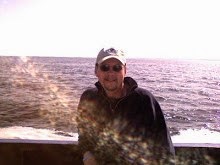
We're home.
In Galva.
It's kinda different.
Not that it has changed much, but the contrast between life at our long-time home in Galva and our part-time place on the North Carolina shore became obvious to me almost as soon as we hit town early last Wednesday evening, when a immediate change in activity level hit me right between the eyes. Our Carolina existence is pretty laid back, with most of the going and doing directed towards grandkid stuff, like story hour at the library and tee-ball games at the big park in nearby Jacksonville. Otherwise, it's pretty much the bucolic beach bum lifestyle for me, and her, even, which has been a bit of a surprise to me. As you might guess, I've always been pretty good at doing nothing, but she usually tends to get a little restless if she's not constantly doing something, learning something, cleaning something or otherwise on the fly. So it's been nice to see her dozing on the beach chair next to me once in awhile.
But then it all changed.
I was taking my own sweet time unpacking the car that night when I noticed a not-unfamiliar look in her eye as she tried to hurry me along.
Me (kidding, I thought): Do you have somewhere you need to be?
She (not kidding at all): Actually, I've got a meeting in fifteen minutes.
Me: Toto, I've got a feeling we're not in Kansas, er, North Carolina anymore.
The sudden shift in direction and pace got me thinking of all the ways our lives differ from one place to another.
Like the homes we live in.
Our house in Galva is old (built in the 1860s), big (try painting it someday) and filled to the brim with the kind of furniture, memories and general bric-a-brac that can easily collect when you're the fourth generation of family of packrats who have lived in the same town for over 100 years. It's a lot of fun, and we love living here, but it's a big difference from our beach place, which was built after the last time a hurricane swept the island in 1998. It's barely furnished (thrift shop chic) and is almost totally devoid of clutter (for now, at least.)
The views outside are a little different, too.
Our North Carolina windows look out over the Atlantic Ocean and the intercoastal waterway, which is pretty heady stuff for a midwestern muddy-lake guy like me. The Galva house, on the other hand, has a pretty nice vista of its own, with busy, beautiful Wiley Park and a backyard filled with the wildflowers and perennials we've gathered and nurtured over the years. And while a dry, dry Carolina spring and early summer has resulted in a rash of wildfires that have produced some smokey, somewhat scary conditions at times, the rainy season in Illinois has, once again, made me wish my grass crop was a cash crop as well.
And then there are the oh-so-beloved pets that love and harass me wherever I go.
Nashville, the precocious pit bull, who is my Carolina grand-dog, loves to lie in my lap (all 75 pounds of him) and peacefully gnaw on my arm in the not-always-as-gentle-as-I'd-like manner of his big-mouthed breed. Meanwhile, the irascible cat Max greeted my return to Illinois with his standard sharp-toothed nip on the back of my leg, letting me know he expects quick service and an ample helping of Little Friskies Smelly Fish Fillets whenever he's in the mood and I'm in reach.
We don't have a television in North Carolina, thinking it's a shame to dilute the ocean views and the sounds of the water and wildlife with reality shows and the Chicago Cubs, so, I thought I'd enjoy some time with the tube once we got back to Galva. But I quickly discovered that I haven't missed much...and the Cubs are mostly losing.
Yes, things are different. But I know I'll adjust as soon as I get used to mowing the lawn, wearing something besides a swim suit and having my own car again (the Trooper started on the first try.)
And while the differences between places might seem big at times, the love and laughter we share with family and friends wherever we go always stays the same
And the rest...is just details.
Thursday, June 30, 2011


Thursday, June 23, 2011
The Fathers' Day Festival of Fun
It's an eternal question, asked year after year as a certain day approaches.
"What do you want to do?"
In 99.9 percent of cases, the answer is exactly the same:
"Nothing."
Of course, that's the kind of answer that's totally unacceptable to the one asking, and so the challenge continues:
What are you gonna do with dad?
Ahhh, Father's Day.
I know I've accused the card, flower and candy companies of inventing some of the holidays we celebrate, but I'm not sure who came up with Fathers' Day, as dads seldom receive either roses or Fanny May chocolates. What's more, the selection of flowery Dad's Day greeting cards is much smaller than the glorious assortment that's rightfully available for moms, as well.
Even my own dad, who was the ultimate good sport about most of the loving trifles inflicted on him by his children, seemed kind of lukewarm about a holiday that required him to give up his only day off so he could fete, feed and otherwise entertain us in a celebration of his own fatherhood and the bright, wonderful children he had sired.
Or at least that's how we saw it.
"Don't take the chicken," he'd mutter while watching us gleefully cherrypick our way through an overpriced buffet meal. "Eat the roast beef," he'd add, while mentally comparing the price of poultry versus that of prime beef.
Like dad, my own requests for a peaceful Fathers' Day have been blithely ignored most years. Back when our sons were young, my own spouse was a ringleader, er, organizer of a jolly group celebration that included an early morning golf outing for the dads, followed by a largish, multi-family picnic at the Lake Calhoun pool.
This all sounds pretty wholesome and innocent I suppose, until you consider the danger that lurked in those waters--Our children, sitting poolside like a troop of evil water-monkeys, waiting for their dear old dads.
I've observed over the years that a child who is normally perfectly well behaved, will have no compunction about wielding a crowbar, for instance, when playing with his dad in a swimming pool. My own sons devised a them-versus-me game called "Enemy Skin Diver" that might as well been named "Let's beat dad to death before we drown him" that they still reminisce about from time to time.
I used to wonder what a team of medical examiners would have made of my sodden corpse after a day of Fathers' Day fun.
ME 1: "Multiple bruising and contusions over the head and entire body."
ME 2: "Stomach contents include fried chicken and at least 12 pounds of potato salad."
ME 1: "Are those bite marks?"
It was all in good fun, though, plus I've now had the pleasure of seeing Colin and Patrick both subjected to the same kind of water-based abuse at the hands of their own kids, while grandpa remains untouchable due to perceived old age and decrepitude.
My wife and I agreed long ago that I am not her father, nor is she my mother, so we've mostly left those holidays alone since we became empty nesters. But since we were living near son Patrick and family when dads' day hit this year, I was plunged headlong into a whirling vortex of father-directed fun.
"It's gonna be a veritable Fathers' Day Festival," laughed my spouse in answer to my cautious inquiries.
And it was, kind of, starting with Friday night, when our desperate search for fun took us to "Alligator Alley," a miniature golf and ice cream joint not far from our place.
Now, normally, I avoid miniature golf courses, go-kart tracks, video arcades and other money pits like the plague, but grandson Cyrus had spotted it when it first opened for the season and had received my assurance that we would go someday. I realized we were in the right kind of place when we were cheerily greeted by a pair of Carolina ladies when we walked in.
"Y'all here for ice cream or golf?" asked one.
Golf first, then ice cream, was my replay.
"You'll need to step outside and go to the window by the course," said the blonde lady on the left. "They'll be happy to take care of you there."
I waved my family outside, then followed while fumbling for my wallet (some things haven't changed since my dad's day...I was paying.) I walked to the window, where I was greeted by the same smiling blonde lady.
I looked. She laughed.
"I think I met your sister inside," I finally said.
"A lot of people say that," she replied.
We had fun playing the homemade 18-hole layout, and did some serious damage in the ice cream parlor afterwards.
"Is this it?" I said to my wife.
"Is this what?"
"Are we done celebrating Fathers' Day?"
"Heck no," she dimpled. "It's gonna be an entire weekend of Fathers' Day fun."
And it was.
Saturday included a morning kayak trip with the grandsons, followed by an afternoon on the beach and steaks on the grill, while Sunday's highlights included church, more beach time and a daring kids-included visit to the fancy-schmancy Italian restaurant where daughter-in-law Susan works.
But for me, the celebration peaked early on Fathers' Day morning.
I was working my way through my first cup of coffee when our three-year-old grandson, John, came padding downstairs.
"Hey buddy," I said. "You ready for some breakfast?"
No.
I upped the offer to include juice, a story and a quick walk to the beach.
No. No. No.
"So, what do you want to do?" I asked.
"Feed the birds," was his reply.
Both young grandsons have learned to enjoy our almost-daily tradition of sharing stale and leftover bread and other edibles with our neighboring birds and wildlife. For the boys, part of the fun has been seeing how far they can chuck each dried-out bread crust off the deck overlooking the intercoastal inlet that creeps to the edge of our backyard. A quick survey of the bread drawer revealed no bird-worthy stale loaves, so I snuck a few fresh saltines, figuring that neither the birds nor John would tell.
He threw the crackers as I sat and admired each mighty toss.
And as I did, I thought these things:
Happy Fathers' Day to my dad and every dad I know.
Happy Fathers' Day to me.
"What do you want to do?"
In 99.9 percent of cases, the answer is exactly the same:
"Nothing."
Of course, that's the kind of answer that's totally unacceptable to the one asking, and so the challenge continues:
What are you gonna do with dad?
Ahhh, Father's Day.
I know I've accused the card, flower and candy companies of inventing some of the holidays we celebrate, but I'm not sure who came up with Fathers' Day, as dads seldom receive either roses or Fanny May chocolates. What's more, the selection of flowery Dad's Day greeting cards is much smaller than the glorious assortment that's rightfully available for moms, as well.
Even my own dad, who was the ultimate good sport about most of the loving trifles inflicted on him by his children, seemed kind of lukewarm about a holiday that required him to give up his only day off so he could fete, feed and otherwise entertain us in a celebration of his own fatherhood and the bright, wonderful children he had sired.
Or at least that's how we saw it.
"Don't take the chicken," he'd mutter while watching us gleefully cherrypick our way through an overpriced buffet meal. "Eat the roast beef," he'd add, while mentally comparing the price of poultry versus that of prime beef.
Like dad, my own requests for a peaceful Fathers' Day have been blithely ignored most years. Back when our sons were young, my own spouse was a ringleader, er, organizer of a jolly group celebration that included an early morning golf outing for the dads, followed by a largish, multi-family picnic at the Lake Calhoun pool.
This all sounds pretty wholesome and innocent I suppose, until you consider the danger that lurked in those waters--Our children, sitting poolside like a troop of evil water-monkeys, waiting for their dear old dads.
I've observed over the years that a child who is normally perfectly well behaved, will have no compunction about wielding a crowbar, for instance, when playing with his dad in a swimming pool. My own sons devised a them-versus-me game called "Enemy Skin Diver" that might as well been named "Let's beat dad to death before we drown him" that they still reminisce about from time to time.
I used to wonder what a team of medical examiners would have made of my sodden corpse after a day of Fathers' Day fun.
ME 1: "Multiple bruising and contusions over the head and entire body."
ME 2: "Stomach contents include fried chicken and at least 12 pounds of potato salad."
ME 1: "Are those bite marks?"
It was all in good fun, though, plus I've now had the pleasure of seeing Colin and Patrick both subjected to the same kind of water-based abuse at the hands of their own kids, while grandpa remains untouchable due to perceived old age and decrepitude.
My wife and I agreed long ago that I am not her father, nor is she my mother, so we've mostly left those holidays alone since we became empty nesters. But since we were living near son Patrick and family when dads' day hit this year, I was plunged headlong into a whirling vortex of father-directed fun.
"It's gonna be a veritable Fathers' Day Festival," laughed my spouse in answer to my cautious inquiries.
And it was, kind of, starting with Friday night, when our desperate search for fun took us to "Alligator Alley," a miniature golf and ice cream joint not far from our place.
Now, normally, I avoid miniature golf courses, go-kart tracks, video arcades and other money pits like the plague, but grandson Cyrus had spotted it when it first opened for the season and had received my assurance that we would go someday. I realized we were in the right kind of place when we were cheerily greeted by a pair of Carolina ladies when we walked in.
"Y'all here for ice cream or golf?" asked one.
Golf first, then ice cream, was my replay.
"You'll need to step outside and go to the window by the course," said the blonde lady on the left. "They'll be happy to take care of you there."
I waved my family outside, then followed while fumbling for my wallet (some things haven't changed since my dad's day...I was paying.) I walked to the window, where I was greeted by the same smiling blonde lady.
I looked. She laughed.
"I think I met your sister inside," I finally said.
"A lot of people say that," she replied.
We had fun playing the homemade 18-hole layout, and did some serious damage in the ice cream parlor afterwards.
"Is this it?" I said to my wife.
"Is this what?"
"Are we done celebrating Fathers' Day?"
"Heck no," she dimpled. "It's gonna be an entire weekend of Fathers' Day fun."
And it was.
Saturday included a morning kayak trip with the grandsons, followed by an afternoon on the beach and steaks on the grill, while Sunday's highlights included church, more beach time and a daring kids-included visit to the fancy-schmancy Italian restaurant where daughter-in-law Susan works.
But for me, the celebration peaked early on Fathers' Day morning.
I was working my way through my first cup of coffee when our three-year-old grandson, John, came padding downstairs.
"Hey buddy," I said. "You ready for some breakfast?"
No.
I upped the offer to include juice, a story and a quick walk to the beach.
No. No. No.
"So, what do you want to do?" I asked.
"Feed the birds," was his reply.
Both young grandsons have learned to enjoy our almost-daily tradition of sharing stale and leftover bread and other edibles with our neighboring birds and wildlife. For the boys, part of the fun has been seeing how far they can chuck each dried-out bread crust off the deck overlooking the intercoastal inlet that creeps to the edge of our backyard. A quick survey of the bread drawer revealed no bird-worthy stale loaves, so I snuck a few fresh saltines, figuring that neither the birds nor John would tell.
He threw the crackers as I sat and admired each mighty toss.
And as I did, I thought these things:
Happy Fathers' Day to my dad and every dad I know.
Happy Fathers' Day to me.
Thursday, June 16, 2011
Of Homes and Hearts and Lucky Ducks
When are you coming home?
It seems like every time I write about what we're doing--and where we're doing it--someone says it:
"That sounds great/fun/exciting/relaxing/adventurous/cool.
So, when are you coming home?"
Our North Carolina grandsons, five-year-old Cyrus and three-year-old John, put the same question in their own way, using the term they came up with for our home in Galva after a Christmastime visit that was indelibly marked in their southern-child memories by mounds and piles of snowflakes, snowballs and other wintertime fun.
"When are you going back to the snowy house?"
The answer is both simple and a little complicated, I guess.
Here it is:
Sooner. Later. Always.
We're lucky that way.
Young John, put it best when he turned to his grandmother one day and asked,
"Why do you and grandpa have two houses, the snowy house and the beach house?"
"Because we're lucky ducks," said grandma. "We get to be at the snowy house with our friends there, and we get to be here with you, too."
John took some time to digest this piece of information, then replied with an answer that will ensure him a place in our hearts and probably just about anything else he ever wants or needs.
"No," he said. "I'm the lucky duck."
I really do think that home is where the heart is, as the old saying goes. Yes, because it's a nice, poetic thing to say. And because it's true, too.
But home, for me at least, is not limited to a snowy house in Galva and a beachfront bungalow on the Carolina coast.
I am drawn, too, by the shores of Lake Superior, where we spent our first winter together in a log cabin so cold and drafty that even the mice couldn't take it. My heart will take me to the lakes and plains of northern Minnesota, where our other children and grandchildren live and love and generously share their lives with us. Home, for us, can be found in a little tent on the piney edge of a Wisconsin lake, apple picking in an upstate New York orchard and even on the vast southwest plains of Texas. Because our hearts reside in those places, too, along with an entire country filled with places we've never been and others that we've seen and want to see again some day.
But as much as we enjoy the chance to go and see the people and places we love, it's hard sometimes, too.
Because there's no doubt that we miss all the places where we're not.
And the faces, too.
We're heading back to Illinois soon, a prospect that pleases us, as we've missed our friends, our house and even the cat named Max. We were enjoying a bit of breakfast and birdwatching with John and Cyrus on the deck overlooking the marshy inlet we call our backyard the other day, when I saw my wife's face suddenly sadden.
"What?" I said, though I knew what was on her mind.
"I'm missing them already," she quivered.
I know.
But I also know we'll be thrilled to get back to Galva; to greet friends, catch up on everything we've missed and plunge back into the life and chores and activities we left behind behind for awhile. We'll make our way to visit the Minnesota crew. And we'll plan and think and dream about the next time we hit the road.
Because before you know it, we'll be back this way again.
For now, we will continue to call both places home. We will continue to let home be wherever it seems best to be.
We will follow our hearts.
Because we are, after all, lucky ducks.
It seems like every time I write about what we're doing--and where we're doing it--someone says it:
"That sounds great/fun/exciting/relaxing/adventurous/cool.
So, when are you coming home?"
Our North Carolina grandsons, five-year-old Cyrus and three-year-old John, put the same question in their own way, using the term they came up with for our home in Galva after a Christmastime visit that was indelibly marked in their southern-child memories by mounds and piles of snowflakes, snowballs and other wintertime fun.
"When are you going back to the snowy house?"
The answer is both simple and a little complicated, I guess.
Here it is:
Sooner. Later. Always.
We're lucky that way.
Young John, put it best when he turned to his grandmother one day and asked,
"Why do you and grandpa have two houses, the snowy house and the beach house?"
"Because we're lucky ducks," said grandma. "We get to be at the snowy house with our friends there, and we get to be here with you, too."
John took some time to digest this piece of information, then replied with an answer that will ensure him a place in our hearts and probably just about anything else he ever wants or needs.
"No," he said. "I'm the lucky duck."
I really do think that home is where the heart is, as the old saying goes. Yes, because it's a nice, poetic thing to say. And because it's true, too.
But home, for me at least, is not limited to a snowy house in Galva and a beachfront bungalow on the Carolina coast.
I am drawn, too, by the shores of Lake Superior, where we spent our first winter together in a log cabin so cold and drafty that even the mice couldn't take it. My heart will take me to the lakes and plains of northern Minnesota, where our other children and grandchildren live and love and generously share their lives with us. Home, for us, can be found in a little tent on the piney edge of a Wisconsin lake, apple picking in an upstate New York orchard and even on the vast southwest plains of Texas. Because our hearts reside in those places, too, along with an entire country filled with places we've never been and others that we've seen and want to see again some day.
But as much as we enjoy the chance to go and see the people and places we love, it's hard sometimes, too.
Because there's no doubt that we miss all the places where we're not.
And the faces, too.
We're heading back to Illinois soon, a prospect that pleases us, as we've missed our friends, our house and even the cat named Max. We were enjoying a bit of breakfast and birdwatching with John and Cyrus on the deck overlooking the marshy inlet we call our backyard the other day, when I saw my wife's face suddenly sadden.
"What?" I said, though I knew what was on her mind.
"I'm missing them already," she quivered.
I know.
But I also know we'll be thrilled to get back to Galva; to greet friends, catch up on everything we've missed and plunge back into the life and chores and activities we left behind behind for awhile. We'll make our way to visit the Minnesota crew. And we'll plan and think and dream about the next time we hit the road.
Because before you know it, we'll be back this way again.
For now, we will continue to call both places home. We will continue to let home be wherever it seems best to be.
We will follow our hearts.
Because we are, after all, lucky ducks.
Thursday, June 9, 2011
Living on Turtle Time
It's sort of like one of those sad, sad stories that you'd hear in a country song.
Because every morning when I wake up, she's long gone from our bed and our house, leaving me to wonder just where I went wrong.
I'd like to write that song someday. But the problem is, there aren't a whole lot of words that rhyme with 'turtle.'
That's right.
She's left me for a turtle. A bunch of them in fact.
Now, I've always kinda liked turtles myself, starting back when my mother used to have to conduct a veritable head-to-toe body search anytime we'd visit the old Kresge store in Kewanee, where the overflowing bowl of tiny terrapins on sale begged to be kidnapped (turtlenapped?) and taken home to live a life of ease in my underwear drawer. The ban on the tiny critters due to the danger of salmonella poisoning saved me from a life of crime, and small shelled reptiles were pretty much off my radar until my sons discovered Leonardo, Raphael, Donatello and the rest of the Teenage Mutant Ninjas.
But these Carolina turtles are something altogether different.
The sea turtles that inhabit the waters near here are magnificent, graceful creatures that spend virtually all of their time in the water. The exception is nesting season...an instinct-driven process that returns them to the beaches where they were born for a cumbersome nighttime crawl from the water and onto the beach by the flippered mama, who digs a hole, deposits often over 100 ping pong ball-shaped eggs, then covers them before beginning the arduous trip back to the sea.
We had heard all about the turtles found around Topsail on previous trips to the island, but were looking forward to seeing them and their nests for ourselves. Last year, we even visited the renowned Karen Beasley Sea Turtle Rescue and Rehabilitation Center, where we saw the great work the hospital's staff and volunteers do to help the ones who are sick or injured.
We got mixed messages on the chances that we'd actually see a nest, with some folks stating that they rarely occurred on our end of the island, while others claimed that our nearby beaches could be as crowded with egg-laying she-turtles as a pork chop line on the first morning of Hog Days. It was not until later that we came to understand that the trained and dedicated turtle watchers who have the task of finding and protecting nests that sometime number over 100 would just as soon crowds wouldn't gather, especially until they've been officially marked and protected from curious tourists and egg-eating predators with stakes, tape and wire mesh.
Things really got rolling one morning when Megan headed out for an early morning walk and returned with exciting news. A large loggerhead turtle had made her way through the sand, leaving a wide u-shaped trail that showed where she had crawled up to a nesting spot, then back to the water. Unfortunately, it was what is called a 'false crawl,' not unlike false labor, and no eggs were to be found. It was our first connection with the "real" turtle watchers that work the beach, and we exchanged phone numbers and email addresses. A good thing, too, because the next morning, Megan found another turtle trail that led to an actual egg-filled nest--the first one discovered on the island this season.
The resulting turtle tizzy earned Megan a brevet promotion to the Topsail Island Sea Turtle Patrol, a well-deserved honor that included the official T-shirt and a quick series of substitute beach walking assignments. They gave me a shirt, too, despite a still-hinky knee that keeps me from the kind of long-distance hikes the patrol requires. I do, however, hope to act as a nest watcher in a couple of months, a less taxing task that requires my kind of equipment and activity level: a beach chair, a flashlight and a willingness to sit around and wait for something to happen as the nests come alive and the hatchlings make their way to the sea that will be their home for the rest of their lives.
With both of us "on the team," so to speak, we were invited to attend and assist with a big event--the annual turtle release, where the hospital returns rehabbed patients to the wide open ocean.
The notification email we received regarding the big day asked that we "not tell everyone we know," as the organizers indicated that they wanted to avoid over-large crowds. We were, therefore, a bit surprised to see the streets leading to the release site jammed with cars, school busses and traffic cops.
Me: I think word got out.
She: Is this going to make us late?
Me: Don't worry, they're turtles. They've gotta be slow.
We walked the last couple of blocks to the wide area of beach designated for the release of 25 loggerheads, greens and kemp ridleys, where we were assigned crowd and vehicle control duties in keeping with our fancy T-shirts. Soon, the guests of honor made their appearance. Each was carried to the water by groups of hospital volunteers, while school children from classrooms that had adopted some of them led the way with signs telling each turtle's name and species.
"I know a class from Irving School that adopted a turtle from this hospital," said Megan. "I wish they could see this."
"Turtles, turtles, turtles, turtles," chanted the huge crowd of kids and adults that lined the pathway they'd take to the sea.
It was at that point that something that had at first seemed just kind of nice turned into something kind of beautiful for me. Because as each animal was carried towards the ocean, a downright beatific look came over their faces. Their necks stretched towards the waiting sea, and slowly and gracefully, their long flippers began to move as if they were swimming free already.
"They smell it," said an onlooker right next to me. "They know they're going home."
One of the volunteers in a truck behind me turned to a friend.
"After all the bad stuff people do to them, I'm glad we got to do something good," she said.
The kids cheered some more as each of the 25 were carried into the waves. With a final movement that seemed more akin to flying than actual swimming, the turtles disappeared into the life that was intended for them.
It was, indeed, kind of beautiful.
Because every morning when I wake up, she's long gone from our bed and our house, leaving me to wonder just where I went wrong.
I'd like to write that song someday. But the problem is, there aren't a whole lot of words that rhyme with 'turtle.'
That's right.
She's left me for a turtle. A bunch of them in fact.
Now, I've always kinda liked turtles myself, starting back when my mother used to have to conduct a veritable head-to-toe body search anytime we'd visit the old Kresge store in Kewanee, where the overflowing bowl of tiny terrapins on sale begged to be kidnapped (turtlenapped?) and taken home to live a life of ease in my underwear drawer. The ban on the tiny critters due to the danger of salmonella poisoning saved me from a life of crime, and small shelled reptiles were pretty much off my radar until my sons discovered Leonardo, Raphael, Donatello and the rest of the Teenage Mutant Ninjas.
But these Carolina turtles are something altogether different.
The sea turtles that inhabit the waters near here are magnificent, graceful creatures that spend virtually all of their time in the water. The exception is nesting season...an instinct-driven process that returns them to the beaches where they were born for a cumbersome nighttime crawl from the water and onto the beach by the flippered mama, who digs a hole, deposits often over 100 ping pong ball-shaped eggs, then covers them before beginning the arduous trip back to the sea.
We had heard all about the turtles found around Topsail on previous trips to the island, but were looking forward to seeing them and their nests for ourselves. Last year, we even visited the renowned Karen Beasley Sea Turtle Rescue and Rehabilitation Center, where we saw the great work the hospital's staff and volunteers do to help the ones who are sick or injured.
We got mixed messages on the chances that we'd actually see a nest, with some folks stating that they rarely occurred on our end of the island, while others claimed that our nearby beaches could be as crowded with egg-laying she-turtles as a pork chop line on the first morning of Hog Days. It was not until later that we came to understand that the trained and dedicated turtle watchers who have the task of finding and protecting nests that sometime number over 100 would just as soon crowds wouldn't gather, especially until they've been officially marked and protected from curious tourists and egg-eating predators with stakes, tape and wire mesh.
Things really got rolling one morning when Megan headed out for an early morning walk and returned with exciting news. A large loggerhead turtle had made her way through the sand, leaving a wide u-shaped trail that showed where she had crawled up to a nesting spot, then back to the water. Unfortunately, it was what is called a 'false crawl,' not unlike false labor, and no eggs were to be found. It was our first connection with the "real" turtle watchers that work the beach, and we exchanged phone numbers and email addresses. A good thing, too, because the next morning, Megan found another turtle trail that led to an actual egg-filled nest--the first one discovered on the island this season.
The resulting turtle tizzy earned Megan a brevet promotion to the Topsail Island Sea Turtle Patrol, a well-deserved honor that included the official T-shirt and a quick series of substitute beach walking assignments. They gave me a shirt, too, despite a still-hinky knee that keeps me from the kind of long-distance hikes the patrol requires. I do, however, hope to act as a nest watcher in a couple of months, a less taxing task that requires my kind of equipment and activity level: a beach chair, a flashlight and a willingness to sit around and wait for something to happen as the nests come alive and the hatchlings make their way to the sea that will be their home for the rest of their lives.
With both of us "on the team," so to speak, we were invited to attend and assist with a big event--the annual turtle release, where the hospital returns rehabbed patients to the wide open ocean.
The notification email we received regarding the big day asked that we "not tell everyone we know," as the organizers indicated that they wanted to avoid over-large crowds. We were, therefore, a bit surprised to see the streets leading to the release site jammed with cars, school busses and traffic cops.
Me: I think word got out.
She: Is this going to make us late?
Me: Don't worry, they're turtles. They've gotta be slow.
We walked the last couple of blocks to the wide area of beach designated for the release of 25 loggerheads, greens and kemp ridleys, where we were assigned crowd and vehicle control duties in keeping with our fancy T-shirts. Soon, the guests of honor made their appearance. Each was carried to the water by groups of hospital volunteers, while school children from classrooms that had adopted some of them led the way with signs telling each turtle's name and species.
"I know a class from Irving School that adopted a turtle from this hospital," said Megan. "I wish they could see this."
"Turtles, turtles, turtles, turtles," chanted the huge crowd of kids and adults that lined the pathway they'd take to the sea.
It was at that point that something that had at first seemed just kind of nice turned into something kind of beautiful for me. Because as each animal was carried towards the ocean, a downright beatific look came over their faces. Their necks stretched towards the waiting sea, and slowly and gracefully, their long flippers began to move as if they were swimming free already.
"They smell it," said an onlooker right next to me. "They know they're going home."
One of the volunteers in a truck behind me turned to a friend.
"After all the bad stuff people do to them, I'm glad we got to do something good," she said.
The kids cheered some more as each of the 25 were carried into the waves. With a final movement that seemed more akin to flying than actual swimming, the turtles disappeared into the life that was intended for them.
It was, indeed, kind of beautiful.
Thursday, June 2, 2011
Memorable
It was a good day.
A good Memorial Day weekend, in fact, with our place packed and happy with a steady stream of guests who shared some beautiful beachday weather, along with the amazing selection of fresh seafood the area has to offer. I've always liked this particular holiday weekend a lot, starting with those days when Memorial Day meant the end of the school year and the beginning of the sweet, sweet days of summer vacation. Of course, as with almost anything good that happened to me in those days, I tended to over-anticipate things, hectoring my poor mother with a never-ending stream of questions and demands.
"What time are we going to the lake?"
"Are we having chicken?"
"Where's my fishing pole?"
"Can I take Shorty (my beloved dog, who specialized in running away and car sickness)?"
"WHERE'S FARFEL?" (my equally beloved inflatable fake dog/swim ring, named after the puppet who pitched Nestle's chocolate on TV in the 50s)
...and so on.
My mom, who probably should have also been known as Saint Alice, would gamely fend me off with a combination of vague promises and mostly empty threats.
"When your father is ready."
"Not if you don't leave me alone so I can cook it."
"Where you left it."
"No."
"Around your waist."
...and so on.
Eventually, I grew up. A little, at least.
And I learned there was more to Memorial Day than picnics, the start of summer and the first icy plunge into a muddy swimming hole.
For my mom and dad, it was the beginning of the season-long tradition of placing fresh flowers on family graves in an act of love and remembrance.
It was a day to offer respect and fly flags for those heroes who fought and died to give us sunny days, summer vacations and chicken dinners. A day to listen and learn and reflect and pray, as we visited the graves of those who went before us.
A day to remember.
I missed being home in Galva this year and visiting the city cemetery, where the majesty of the Avenue of Flags sets the stage for the speeches and salutes that mark the real reason for the holiday. But being where we are gave me yet another perspective on the day and its meaning for many.
Camp Lejeune is a massive, 246-square-mile Marine Corps base that includes 14 miles of beachfront just north of us. I've talked before about the frequent chatter of helicopters and thump of munitions that add a real reminder of the serious business these young warriors are preparing for. But it's only after you've lived here for awhile that you really realize how serious it is.
You see, most of those Marines are getting ready to go somewhere dangerous. And many, many families who live around here are waiting for someone to come home.
A week seldom goes by when the local paper doesn't tell of somebody who didn't. The Memorial Day edition of the Jacksonville Daily News included a front-page feature profiling three young widows who are spending their first Memorial Day holiday without their slain husbands.
"Last year, I thought, 'Oh, it's a day off,'" one said. "But now that I've lost my husband, I can appreciate the real meaning of it. Now, it's so much more personal."
But as heartbreaking as those stories were, there was joy this weekend, too, as 500 Marines from the first Battalion, 10th Marine Regiment came home from Afghanistan.
There's always an air of excitement when troops return to Lejeune. The exact day and time is never precisely revealed for security reasons, but you can tell something good is about to happen when you start seeing the signs appear on the fences near the gates of the camp.
Some are quite professionally done, while others are no more than spray paint on a bedsheet.
But the messages are always clear.
"Welcome home, son"
"We love you, daddy"
"I've missed you, honey"
And my favorite...
"Welcome back, Bobby. Hope you got plenty of sleep on the plane."
Our duplex shares a common wall with a vacation rental, which means our next door neighbors change every week. Many are vacationers who are here to enjoy the sunny beaches and a shot at some ocean fishing. But a couple of times, we've gotten to know families who have come to wait and greet their own returning heroes.
"Do you mind if I tap into your WiFi?" asked one mom. "We want to know the minute he gets here."
It was hard not to share in their excitement as they neared the end of a year filled with the mixture of pride and anxiety only a soldier's parents can feel.
It was easy to share in their joy when we got our first look at their Marine son on the morning of the holiday.
"James, come over here," said the mom. "Our neighbors want to meet you."
She turned to us.
"Isn't he pretty?" she beamed.
Megan and I shook hands with James, a tall, blond boy who looked more like he should have been getting ready for the senior prom than directing artillery fire in the middle of a war zone.
"Welcome home," we said. "Welcome home."
James' dad had a question.
"Where's a good restaurant?" he asked.
I piped up with the locations of a couple of my favorite seafood joints.
The dad smiled.
"That sounds good, but what James has really been dreaming about is a steak dinner," he laughed.
We offered our best guess and they roared away in the aged van they had brought along for the trip so that their entire family could be together as much as possible.
Megan turned to me.
"Now that's a Memorial Day," she said. "A memorable Memorial Day."
A good Memorial Day weekend, in fact, with our place packed and happy with a steady stream of guests who shared some beautiful beachday weather, along with the amazing selection of fresh seafood the area has to offer. I've always liked this particular holiday weekend a lot, starting with those days when Memorial Day meant the end of the school year and the beginning of the sweet, sweet days of summer vacation. Of course, as with almost anything good that happened to me in those days, I tended to over-anticipate things, hectoring my poor mother with a never-ending stream of questions and demands.
"What time are we going to the lake?"
"Are we having chicken?"
"Where's my fishing pole?"
"Can I take Shorty (my beloved dog, who specialized in running away and car sickness)?"
"WHERE'S FARFEL?" (my equally beloved inflatable fake dog/swim ring, named after the puppet who pitched Nestle's chocolate on TV in the 50s)
...and so on.
My mom, who probably should have also been known as Saint Alice, would gamely fend me off with a combination of vague promises and mostly empty threats.
"When your father is ready."
"Not if you don't leave me alone so I can cook it."
"Where you left it."
"No."
"Around your waist."
...and so on.
Eventually, I grew up. A little, at least.
And I learned there was more to Memorial Day than picnics, the start of summer and the first icy plunge into a muddy swimming hole.
For my mom and dad, it was the beginning of the season-long tradition of placing fresh flowers on family graves in an act of love and remembrance.
It was a day to offer respect and fly flags for those heroes who fought and died to give us sunny days, summer vacations and chicken dinners. A day to listen and learn and reflect and pray, as we visited the graves of those who went before us.
A day to remember.
I missed being home in Galva this year and visiting the city cemetery, where the majesty of the Avenue of Flags sets the stage for the speeches and salutes that mark the real reason for the holiday. But being where we are gave me yet another perspective on the day and its meaning for many.
Camp Lejeune is a massive, 246-square-mile Marine Corps base that includes 14 miles of beachfront just north of us. I've talked before about the frequent chatter of helicopters and thump of munitions that add a real reminder of the serious business these young warriors are preparing for. But it's only after you've lived here for awhile that you really realize how serious it is.
You see, most of those Marines are getting ready to go somewhere dangerous. And many, many families who live around here are waiting for someone to come home.
A week seldom goes by when the local paper doesn't tell of somebody who didn't. The Memorial Day edition of the Jacksonville Daily News included a front-page feature profiling three young widows who are spending their first Memorial Day holiday without their slain husbands.
"Last year, I thought, 'Oh, it's a day off,'" one said. "But now that I've lost my husband, I can appreciate the real meaning of it. Now, it's so much more personal."
But as heartbreaking as those stories were, there was joy this weekend, too, as 500 Marines from the first Battalion, 10th Marine Regiment came home from Afghanistan.
There's always an air of excitement when troops return to Lejeune. The exact day and time is never precisely revealed for security reasons, but you can tell something good is about to happen when you start seeing the signs appear on the fences near the gates of the camp.
Some are quite professionally done, while others are no more than spray paint on a bedsheet.
But the messages are always clear.
"Welcome home, son"
"We love you, daddy"
"I've missed you, honey"
And my favorite...
"Welcome back, Bobby. Hope you got plenty of sleep on the plane."
Our duplex shares a common wall with a vacation rental, which means our next door neighbors change every week. Many are vacationers who are here to enjoy the sunny beaches and a shot at some ocean fishing. But a couple of times, we've gotten to know families who have come to wait and greet their own returning heroes.
"Do you mind if I tap into your WiFi?" asked one mom. "We want to know the minute he gets here."
It was hard not to share in their excitement as they neared the end of a year filled with the mixture of pride and anxiety only a soldier's parents can feel.
It was easy to share in their joy when we got our first look at their Marine son on the morning of the holiday.
"James, come over here," said the mom. "Our neighbors want to meet you."
She turned to us.
"Isn't he pretty?" she beamed.
Megan and I shook hands with James, a tall, blond boy who looked more like he should have been getting ready for the senior prom than directing artillery fire in the middle of a war zone.
"Welcome home," we said. "Welcome home."
James' dad had a question.
"Where's a good restaurant?" he asked.
I piped up with the locations of a couple of my favorite seafood joints.
The dad smiled.
"That sounds good, but what James has really been dreaming about is a steak dinner," he laughed.
We offered our best guess and they roared away in the aged van they had brought along for the trip so that their entire family could be together as much as possible.
Megan turned to me.
"Now that's a Memorial Day," she said. "A memorable Memorial Day."
Thursday, May 26, 2011
Daytripper
All you have to do is look out the window and you've gotta wonder,
"Why would we want to leave this spot?"
It's true, the view from the house where we stay when we're in North Carolina is something special. Look out the front and you'll see the crashing Atlantic Ocean and the inviting near-deserted stretch of beach that lures us daily for walks, rests and dips. The back-of-the-house vista features the river-like backwater that twists its way from the intercoastal waterway to the edge of our yard. Either way, it's easy to get caught up in the surroundings here and want to stay put day after day.
Or not.
"We've gotta start doing some daytrips," I said a few weeks ago.
She smiled, knowing that my absolute favorite kind of travel is the type that involves an early departure, a long, leisurely drive and something--or a whole list of things--to look at and learn about along the way. Sometimes the objective is a little hazy, with the journey itself the real thing, while other times, there really is a plan of sorts and a real destination in mind.
These trips have been a part of our lives for as long as we've been together, starting back when a long drive to see and experience something new and different was just about all we could afford as entertainment and a break from a week's worth of work. Later, those trips became a virtual lifesaver for me, as I struggled with cancer that often left me mentally exhausted, physically devastated and entirely discouraged.
Megan did a lot to keep me kicking in those days, whether it was by convincing both me and my doctors to press ahead with some of the more unpleasant, aggressive treatments that would eventually save my life, or via a few simple acts of love and kindness that would make that life seem worth staying around for.
"Let's hit the road," she'd say, usually on a sunny Sunday morning after church.
And so, we would.
She would drive, while I would navigate and doze by turns in the passenger's seat. She was still working as a classroom teacher in those days, and Sundays were her chance to catch up on a little work around the house, attack some take-home schoolwork, and even, perhaps, relax a bit. But she would, instead, sacrifice her plans for the day to spend time doing something she knew I would enjoy and remember as I slowly regained strength and a renewed zest for living.
We've continued our daytripping ways, but had gotten a little complacent about them since our arrival at a spot that most folks would probably consider an ultimate destination anyway.
"Where should we go?" she asked.
We had both spent time reading and researching about the coastal Carolina area we've landed in.
There were places we wanted to go. There were things we wanted to see.
Some are astonishingly beautiful, while some are historic and cultural.
And some, of course, are a little quirky.
Like the "Missiles and More" museum located just ten miles or so down the island we inhabit. The museum celebrates the fact that besides its history as a pirate hideout and a "by-boat-only" fishing haven, Topsail Island was once an important missile testing ground.
At the end of World War II, the US Navy began a joint venture with Johns Hopkins University with the tongue-in-cheek name "Operation Bumblebee" to develop and test ramjet missiles. Named after an insect, which, although aerodynamically unable to fly, does not know it and flies anyway, this venture led to the development of supersonic aircraft and shipboard missiles in the mid-20th century. The missiles were assembled in the building where the museum is now housed, then hauled to a concrete launching pad (now the patio for a popular motel and fishing pier) and test-fired up the coastline, which was (and still is) dotted with a series of concrete observation towers, where reckless souls would track the flight of the high-powered projectiles. Given the total lack of any sophisticated guidance controls and the rustic nature of the wooden launching devices, those towers seem more like targets than viewing spots to my admittedly untrained eye, but, apparently, the scientists and engineers knew what they were doing or were blessed with a good bit of luck. After the military abandoned the site a few years later, the bridge they left behind gave easier access to the island and began the gradual growth of the the long strip of sand as both a permanent place to live and a vacation spot.
Other places of interest that we've seen on the island include a Sea Turtle hospital and the coastlines, backwaters and inlets that combine to make up the fragile, beautiful ecology of the area. By going a little farther afield, we've visited the lovely, historic city of Wilmington and Fort Fisher, the civil war fortress that protected the vital trading routes of the Wilmington port until its capture by the Union in 1865, an action that essentially cut the Confederacy off from the goods and supplies they needed and spelled the ultimate end of the war. A lengthy northbound Mothers' Day Trek to Ocracoke Island, a pearl of a place just off the Outer Banks, probably convinced our son and his family that we are, indeed, out of our minds, as the way there includes a two-hour drive coupled with another two hours on a ferry across the Pamlico Sound, making for a longish day that's just our style, but probably a bit much for those with jobs, school and children to attend to the next morning.
There's plenty more to do and see as we enjoy this springtime segment of our Illinois/Carolina living scheme, but here's the thing.
It doesn't matter if we really see anything spectacular. And it's no big deal if we don't learn anything important or do anything special at all.
The trick--and the blessing--is to be ready and willing to go and do and see anytime anybody says, "Let's hit the road."
"Why would we want to leave this spot?"
It's true, the view from the house where we stay when we're in North Carolina is something special. Look out the front and you'll see the crashing Atlantic Ocean and the inviting near-deserted stretch of beach that lures us daily for walks, rests and dips. The back-of-the-house vista features the river-like backwater that twists its way from the intercoastal waterway to the edge of our yard. Either way, it's easy to get caught up in the surroundings here and want to stay put day after day.
Or not.
"We've gotta start doing some daytrips," I said a few weeks ago.
She smiled, knowing that my absolute favorite kind of travel is the type that involves an early departure, a long, leisurely drive and something--or a whole list of things--to look at and learn about along the way. Sometimes the objective is a little hazy, with the journey itself the real thing, while other times, there really is a plan of sorts and a real destination in mind.
These trips have been a part of our lives for as long as we've been together, starting back when a long drive to see and experience something new and different was just about all we could afford as entertainment and a break from a week's worth of work. Later, those trips became a virtual lifesaver for me, as I struggled with cancer that often left me mentally exhausted, physically devastated and entirely discouraged.
Megan did a lot to keep me kicking in those days, whether it was by convincing both me and my doctors to press ahead with some of the more unpleasant, aggressive treatments that would eventually save my life, or via a few simple acts of love and kindness that would make that life seem worth staying around for.
"Let's hit the road," she'd say, usually on a sunny Sunday morning after church.
And so, we would.
She would drive, while I would navigate and doze by turns in the passenger's seat. She was still working as a classroom teacher in those days, and Sundays were her chance to catch up on a little work around the house, attack some take-home schoolwork, and even, perhaps, relax a bit. But she would, instead, sacrifice her plans for the day to spend time doing something she knew I would enjoy and remember as I slowly regained strength and a renewed zest for living.
We've continued our daytripping ways, but had gotten a little complacent about them since our arrival at a spot that most folks would probably consider an ultimate destination anyway.
"Where should we go?" she asked.
We had both spent time reading and researching about the coastal Carolina area we've landed in.
There were places we wanted to go. There were things we wanted to see.
Some are astonishingly beautiful, while some are historic and cultural.
And some, of course, are a little quirky.
Like the "Missiles and More" museum located just ten miles or so down the island we inhabit. The museum celebrates the fact that besides its history as a pirate hideout and a "by-boat-only" fishing haven, Topsail Island was once an important missile testing ground.
At the end of World War II, the US Navy began a joint venture with Johns Hopkins University with the tongue-in-cheek name "Operation Bumblebee" to develop and test ramjet missiles. Named after an insect, which, although aerodynamically unable to fly, does not know it and flies anyway, this venture led to the development of supersonic aircraft and shipboard missiles in the mid-20th century. The missiles were assembled in the building where the museum is now housed, then hauled to a concrete launching pad (now the patio for a popular motel and fishing pier) and test-fired up the coastline, which was (and still is) dotted with a series of concrete observation towers, where reckless souls would track the flight of the high-powered projectiles. Given the total lack of any sophisticated guidance controls and the rustic nature of the wooden launching devices, those towers seem more like targets than viewing spots to my admittedly untrained eye, but, apparently, the scientists and engineers knew what they were doing or were blessed with a good bit of luck. After the military abandoned the site a few years later, the bridge they left behind gave easier access to the island and began the gradual growth of the the long strip of sand as both a permanent place to live and a vacation spot.
Other places of interest that we've seen on the island include a Sea Turtle hospital and the coastlines, backwaters and inlets that combine to make up the fragile, beautiful ecology of the area. By going a little farther afield, we've visited the lovely, historic city of Wilmington and Fort Fisher, the civil war fortress that protected the vital trading routes of the Wilmington port until its capture by the Union in 1865, an action that essentially cut the Confederacy off from the goods and supplies they needed and spelled the ultimate end of the war. A lengthy northbound Mothers' Day Trek to Ocracoke Island, a pearl of a place just off the Outer Banks, probably convinced our son and his family that we are, indeed, out of our minds, as the way there includes a two-hour drive coupled with another two hours on a ferry across the Pamlico Sound, making for a longish day that's just our style, but probably a bit much for those with jobs, school and children to attend to the next morning.
There's plenty more to do and see as we enjoy this springtime segment of our Illinois/Carolina living scheme, but here's the thing.
It doesn't matter if we really see anything spectacular. And it's no big deal if we don't learn anything important or do anything special at all.
The trick--and the blessing--is to be ready and willing to go and do and see anytime anybody says, "Let's hit the road."
Thursday, May 19, 2011
Animal Stories
I've been led to understand that there are a few of you out there who figure I'm absolutely pining away in coastal Carolina, separated, as I am, from the affections of my semi-wild stripy cat Max, who is, with the help of his personal trainer/cat wrangler, Shannon, keeping an eye on things back in Galva. It's true, there are mornings when I desperately miss the scent of Little Friskies Dead Carp Souffle and the nips, scratches and small puncture wounds inflicted on my ankles and calves as I struggle to open the can fast enough for the impatient little prince.
But fear not. I am not without animal companionship.
Starting with Nashville.
Now, I'm betting you'd figure this out on your own quick enough, but let me cut to the chase and explain that this Nashville is a dog, not the capital of Tennessee. He belongs to our son Patrick and his wife, Susan, who have discovered that he can be quite a handful. Not that he's not a good dog. But he's big. And strong. And lively.
Oh, yeah. And he's misunderstood, too.
You see, Nashville is a Pit Bull.
American Pit Bull Terriers, who officially go by the name American Staffordshire Terrier, are one of those unfortunate breeds who have been misused and abused by some, and maligned by others. Brought to the U.S. from England in the early 20th century, American Staffordshire Terriers gained in popularity in the 1920s with “Pete the Pup's” appearances in the Our Gang (The Little Rascals) comedies, contributing to the spread of the breed. Buster Brown's dog, "Tige" was an AmStaff, and Images of the breed were also used to represent the U.S. during the 1900s as a symbol of strength and dignity. Paddy chose Nashville as a family pet because of his experience with Roscoe, our own family dog for many years, who was also a pit bull. Roscoe was the best dog ever...an incredibly loving, gentle and loyal friend and family member. His only real troubling quirk had to do with a desperate desire to jump through windows, both open and closed, during onsets of high winds. Even this was understandable, as he developed the phobia after being home alone during the 1996 Galva tornado.
Nashville is a younger, more energetic version of his uncle Roscoe, who had already passed through puppyhood and adolescence when my sons insisted we rescue him from the pound. We have a little more time for the long walks Nashville needs, plus good dog-friendly space--including three outdoor porches--where he can doze and watch the world go by. As a result, he's been spending more and more time with us, kinda like a four-legged grandchild.
But he can be a bit of a free spirit, with a constant, fervent desire to meet and greet every person, dog, cat and ghost crab he sees.
While he didn't have any wings to clip, we decided another sort of surgery might help to slow him down just a touch. I, like any male animal, sort of resent the use of the word "fixed" as a term for castration. But I also feel that all pets should be neutered and spayed until we've found homes for all the puppies and kittens who currently languish in shelters. So I was assigned to get the deed done. When Nashville and I trotted into the vet's office on the morning of the procedure, I felt a little guilty at first, as I think he thought we were just dropping by for a cup of coffee and a biscuit. But any feelings of guilt soon slipped away as man (that's me) met dog (that's him) in a cage match worthy of the WWE. Nashville was delighted to greet the staff and the other dogs and cats he ran into. The one thing he DIDN'T want to do was go into one of those cages they use to hold the animals waiting for treatment. The vet tech didn't seem to want to get up close and personal with an unfamiliar dog, though I'd swear that was what they were supposed to do. Instead, he turned to me, "Do you mind putting him in the cage?"
I grabbed Nashville by the collar and pulled and shoved at the same time, finally getting his well-muscled, 65-pound body into the cage. I was just about to snap the door shut when the tech added, "Can you take off his collar, too?"
Take. Off. His. Collar.
I opened the door again and met his surging body with my shoulder.
He shoved, desperately wanting to get out. I shoved back, knowing that once out, he'd be even tougher to get back in. I quickly discovered that the only effective way of keeping him confined while pursuing the two-hands-needed job of taking off his collar was to climb in myself and block the opening with my body. Just as I did, one of the ladies from the front desk came back to see what was taking me so long, as she had paperwork for me to sign.
Her rich, lovely Carolina accent filled the room as she surveyed the tableau in front of her.
"Whay-uh is thay-at may-un who went back heah?" she asked.
Then she spotted me, locked in mortal combat with a struggling pit bull.
"Mah goodness," she said. "Why is tha-yut ma-yun in tha-yut cage wid tha-yut dawg?"
"Why, indeed?" I wondered.
I finally got Nashville locked down and staggered out to the front desk. I was breathing hard, my shirt was torn and I smelled exactly like someone who had been wresting with an anxious bulldog.
"Ah yew goin' to work now, sugah?" she said.
I explained that I wasn't.
"Tha-yut's good," she said. "You maht wanna rist up. He'll be riddy for y'all at three."
++++
Alligators all around.
My spouse, who has often expressed her disinclination to share water with things that might slither, bump or bite, got some news the other day that gave her pause. She had already been a bit unnerved by the fact that a nearby wide spot in the intercoastal waterway that borders our backyard bears the picturesque name of "Alligator Bay."
She: Do you think there are really alligators in there?
Me: (hopefully) It's probably just something a realtor made up trying to add a little local color.
Or not.
A nearby neighbor reported seeing a couple of the stone age reptiles the other day, and quickly warned Patrick and Susan about letting the grandkids and grand-dog get too close to the water's edge without supervision. Scarier still was the fact that we had just enjoyed a visit from a traveling Galva friend who brought along her two small dogs, who we walked along the waterline on several occasions.
"Maybe they heard about those tiny little puppies," said Susan, who accurately figured that gators probably view Shih Tzus as tasty bite-size snacks.
"Maybe it was the Cheez-its," said my wife, who has been feeding the nesting momma-birds the remains of the bright-orange crackers our grandsons love.
Whatever it was, Patches and Quincy have made it home safe to their own back yard and their beloved Galva Library, where they are recognized and rewarded as dog heroes for having chased out a bird one day.
And the gators have, apparently, moved on.
I think.
I hope.
But fear not. I am not without animal companionship.
Starting with Nashville.
Now, I'm betting you'd figure this out on your own quick enough, but let me cut to the chase and explain that this Nashville is a dog, not the capital of Tennessee. He belongs to our son Patrick and his wife, Susan, who have discovered that he can be quite a handful. Not that he's not a good dog. But he's big. And strong. And lively.
Oh, yeah. And he's misunderstood, too.
You see, Nashville is a Pit Bull.
American Pit Bull Terriers, who officially go by the name American Staffordshire Terrier, are one of those unfortunate breeds who have been misused and abused by some, and maligned by others. Brought to the U.S. from England in the early 20th century, American Staffordshire Terriers gained in popularity in the 1920s with “Pete the Pup's” appearances in the Our Gang (The Little Rascals) comedies, contributing to the spread of the breed. Buster Brown's dog, "Tige" was an AmStaff, and Images of the breed were also used to represent the U.S. during the 1900s as a symbol of strength and dignity. Paddy chose Nashville as a family pet because of his experience with Roscoe, our own family dog for many years, who was also a pit bull. Roscoe was the best dog ever...an incredibly loving, gentle and loyal friend and family member. His only real troubling quirk had to do with a desperate desire to jump through windows, both open and closed, during onsets of high winds. Even this was understandable, as he developed the phobia after being home alone during the 1996 Galva tornado.
Nashville is a younger, more energetic version of his uncle Roscoe, who had already passed through puppyhood and adolescence when my sons insisted we rescue him from the pound. We have a little more time for the long walks Nashville needs, plus good dog-friendly space--including three outdoor porches--where he can doze and watch the world go by. As a result, he's been spending more and more time with us, kinda like a four-legged grandchild.
But he can be a bit of a free spirit, with a constant, fervent desire to meet and greet every person, dog, cat and ghost crab he sees.
While he didn't have any wings to clip, we decided another sort of surgery might help to slow him down just a touch. I, like any male animal, sort of resent the use of the word "fixed" as a term for castration. But I also feel that all pets should be neutered and spayed until we've found homes for all the puppies and kittens who currently languish in shelters. So I was assigned to get the deed done. When Nashville and I trotted into the vet's office on the morning of the procedure, I felt a little guilty at first, as I think he thought we were just dropping by for a cup of coffee and a biscuit. But any feelings of guilt soon slipped away as man (that's me) met dog (that's him) in a cage match worthy of the WWE. Nashville was delighted to greet the staff and the other dogs and cats he ran into. The one thing he DIDN'T want to do was go into one of those cages they use to hold the animals waiting for treatment. The vet tech didn't seem to want to get up close and personal with an unfamiliar dog, though I'd swear that was what they were supposed to do. Instead, he turned to me, "Do you mind putting him in the cage?"
I grabbed Nashville by the collar and pulled and shoved at the same time, finally getting his well-muscled, 65-pound body into the cage. I was just about to snap the door shut when the tech added, "Can you take off his collar, too?"
Take. Off. His. Collar.
I opened the door again and met his surging body with my shoulder.
He shoved, desperately wanting to get out. I shoved back, knowing that once out, he'd be even tougher to get back in. I quickly discovered that the only effective way of keeping him confined while pursuing the two-hands-needed job of taking off his collar was to climb in myself and block the opening with my body. Just as I did, one of the ladies from the front desk came back to see what was taking me so long, as she had paperwork for me to sign.
Her rich, lovely Carolina accent filled the room as she surveyed the tableau in front of her.
"Whay-uh is thay-at may-un who went back heah?" she asked.
Then she spotted me, locked in mortal combat with a struggling pit bull.
"Mah goodness," she said. "Why is tha-yut ma-yun in tha-yut cage wid tha-yut dawg?"
"Why, indeed?" I wondered.
I finally got Nashville locked down and staggered out to the front desk. I was breathing hard, my shirt was torn and I smelled exactly like someone who had been wresting with an anxious bulldog.
"Ah yew goin' to work now, sugah?" she said.
I explained that I wasn't.
"Tha-yut's good," she said. "You maht wanna rist up. He'll be riddy for y'all at three."
++++
Alligators all around.
My spouse, who has often expressed her disinclination to share water with things that might slither, bump or bite, got some news the other day that gave her pause. She had already been a bit unnerved by the fact that a nearby wide spot in the intercoastal waterway that borders our backyard bears the picturesque name of "Alligator Bay."
She: Do you think there are really alligators in there?
Me: (hopefully) It's probably just something a realtor made up trying to add a little local color.
Or not.
A nearby neighbor reported seeing a couple of the stone age reptiles the other day, and quickly warned Patrick and Susan about letting the grandkids and grand-dog get too close to the water's edge without supervision. Scarier still was the fact that we had just enjoyed a visit from a traveling Galva friend who brought along her two small dogs, who we walked along the waterline on several occasions.
"Maybe they heard about those tiny little puppies," said Susan, who accurately figured that gators probably view Shih Tzus as tasty bite-size snacks.
"Maybe it was the Cheez-its," said my wife, who has been feeding the nesting momma-birds the remains of the bright-orange crackers our grandsons love.
Whatever it was, Patches and Quincy have made it home safe to their own back yard and their beloved Galva Library, where they are recognized and rewarded as dog heroes for having chased out a bird one day.
And the gators have, apparently, moved on.
I think.
I hope.
Subscribe to:
Posts (Atom)